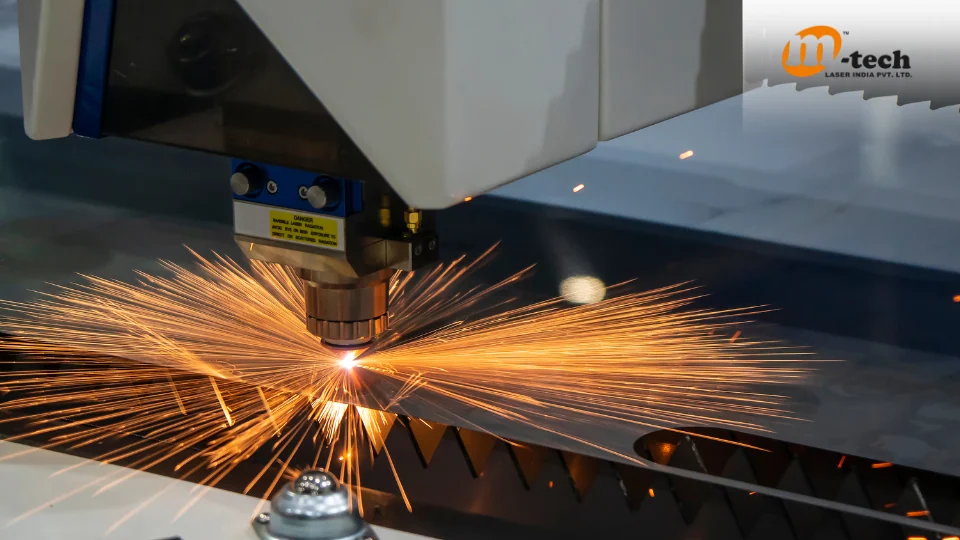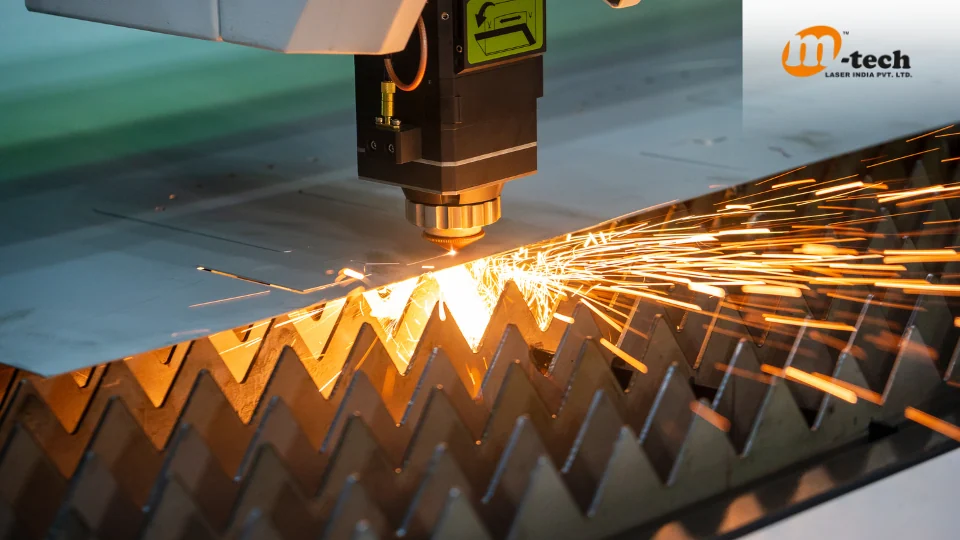
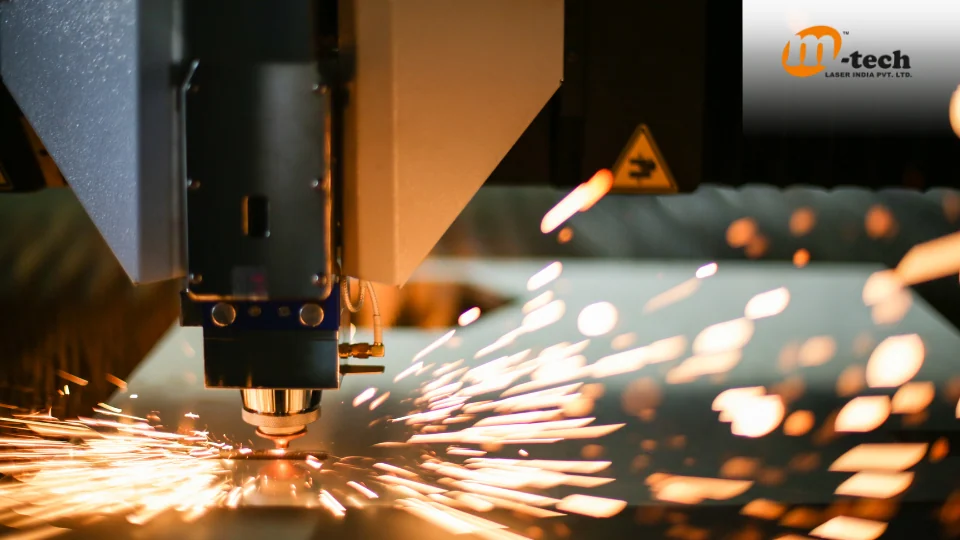
When an operator reports that the machine is cutting badly, the cause is a consumable far more often than it is the machine. Both parts involved cost very little and take minutes to change — which makes this the best-value maintenance on the whole machine.
The protective lens
A thin glass disc sitting between the focusing optics and the work, there to catch spatter so the expensive optics do not. It is a wear part and it is meant to be replaced.
- Check it daily, held against a light — spatter marks and pitting show up clearly
- Clean with proper lens tissue and solvent, never a shop rag
- Replace once marks will not clean off; a pitted lens absorbs power, overheats and can take the optics above it with it
- Keep spares on the shelf, not on order
The nozzle
The nozzle shapes the assist gas and sets the standoff. It is the first thing to check when edges go rough.
- The orifice must be round — spatter makes it oval, and an oval orifice blows gas off-centre, which shows as a one-sided burr
- It must be concentric with the beam; re-centre after every change
- Match the diameter to the thickness, since an oversized nozzle wastes gas on every pierce
- Replace rather than clean once the edge of the orifice is damaged
Reading the symptoms
- Burr on one side only — nozzle not concentric, or the orifice has gone oval
- Kerf widening over a shift — dirty or pitted protective lens
- Rough edge on thick steel suddenly — gas pressure, or a nozzle that has taken a knock
- Pierce failures that were not happening last week — lens, nozzle, or focus drift, in that order
We train your operators on all of this at installation, and the checks above are what our AMC visits work through. Spares for every machine we sell are held in India.