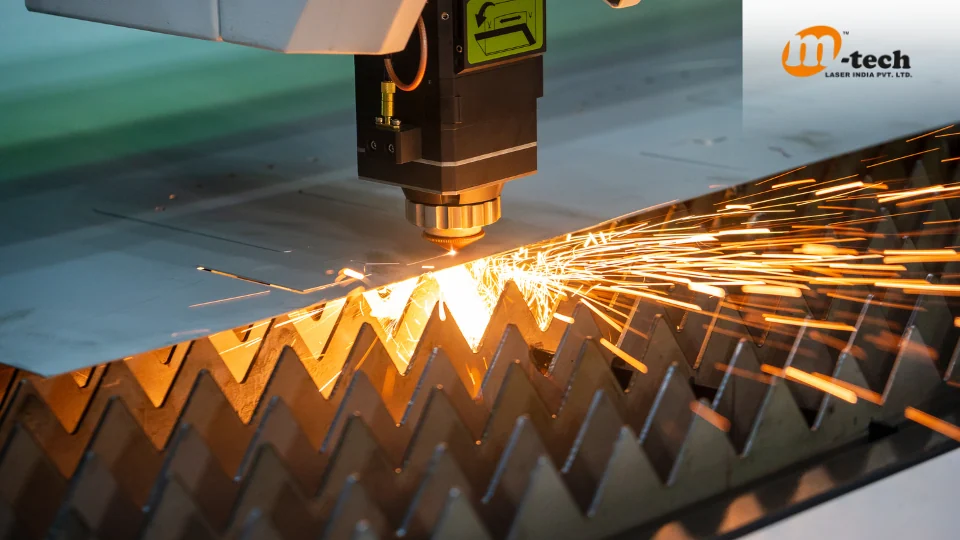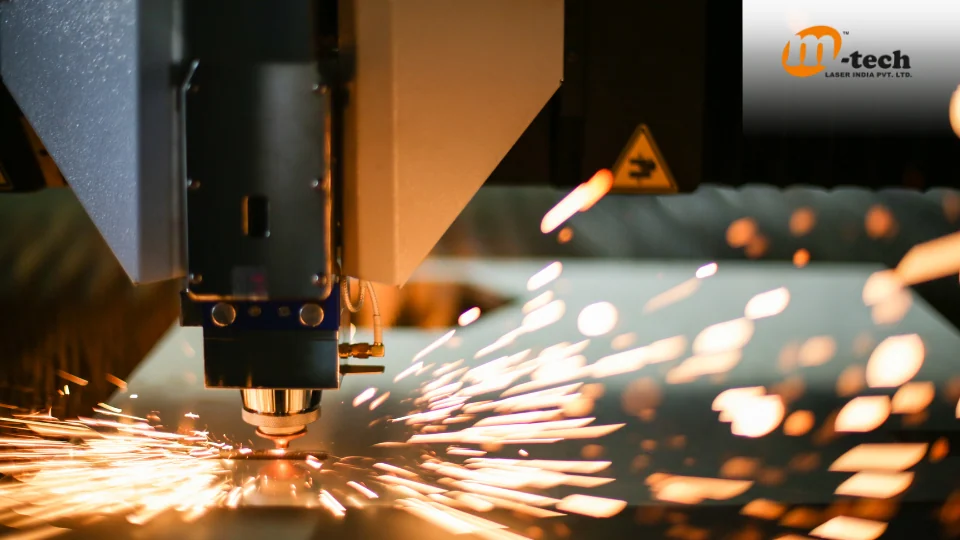
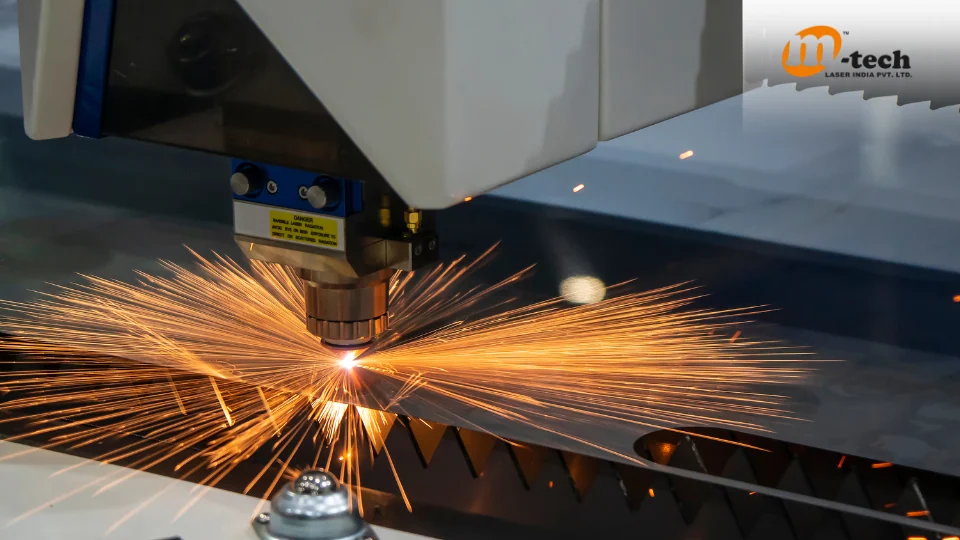
Fiber has taken over sheet metal work in a little over a decade. The reasons are practical rather than exotic: it cuts thin metal faster, it costs less to run, and it needs less attention between jobs. Here is what actually changes on the shop floor, and the one place where CO2 is still the right answer.
1. Speed on thin sheet, where most work sits
A fiber beam is absorbed far more readily by metal than a CO2 beam, so more of the power you pay for ends up in the cut. On sheet up to about 6mm — the bulk of fabrication work in panels, enclosures, brackets and furniture — a fiber machine will typically cut several times faster than a CO2 machine of the same rated power.
Our open-type H series runs to 100 m/min linkage speed at 1.2G acceleration. On a nested sheet of small parts, that acceleration matters more than top speed: the head spends most of its time changing direction, not travelling in a straight line.
2. Running cost per hour, not per machine
A fiber source converts roughly three times more of its electrical input into beam than a CO2 tube does. That shows up on the electricity bill, and it shows up again in what the machine does not need: no laser gas, no mirrors to align, no tube to replace at the end of its service life.
- No resonator gas and no optical path to re-align
- Source life measured in tens of thousands of hours, not a few thousand
- Lower chiller load, because less of the input becomes waste heat
3. Accuracy that holds across the sheet
Positioning accuracy of ±0.03 mm/m and repeat positioning of ±0.02 mm means a part cut at one corner of the bed matches a part cut at the other. That is what keeps a welded assembly square and stops parts going back for filing. On a long bed it is the drive and the frame doing this work, not the laser — which is why bed rigidity is worth as much attention as wattage.
4. Materials a CO2 machine cannot touch
Fiber cuts copper, brass and other reflective metals that a CO2 beam largely bounces off. If you work in electrical components, heat exchangers or decorative brass, this alone decides the question.
5. Less time not cutting
Sealed optics, no mirror alignment and no gas top-ups mean fewer reasons to stop. Where throughput is the constraint, an exchange table changes the arithmetic again: the operator unloads one pallet while the machine cuts on the other, so loading stops competing with cutting.
Where CO2 is still the right machine
Fiber is for metal. If you cut acrylic, wood, MDF, fabric, leather, paper or rubber, CO2 remains the correct and far cheaper tool — a fiber beam will mark or burn most non-metals rather than cut them cleanly. Plenty of workshops run both, and that is a sound answer rather than a compromise.
Not sure which side of that line your work falls on? Send us the material and thickness you run most and we will tell you plainly — including when the answer is CO2.