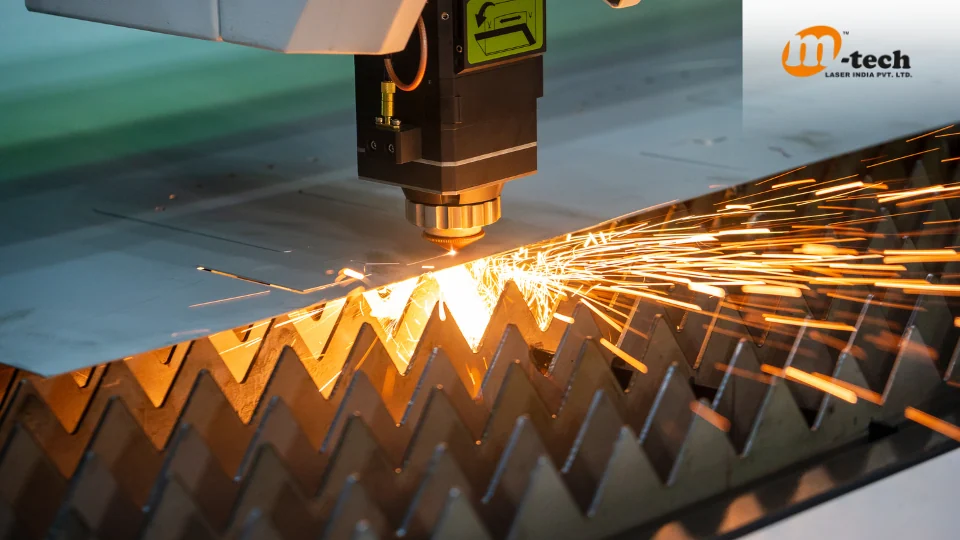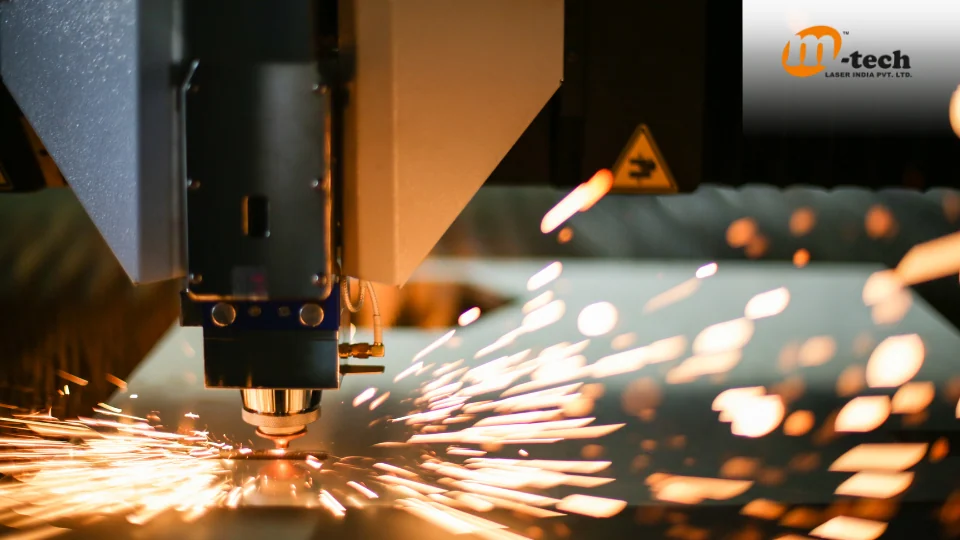
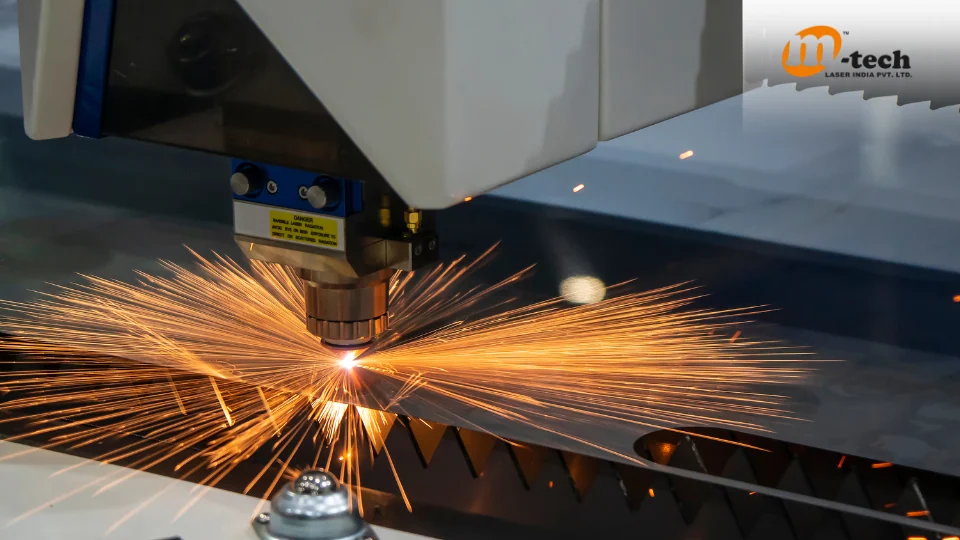
Assist gas is not a setting you choose once. It is a per-job decision, and getting it wrong is the difference between a part that goes straight to paint and a part that goes to the linisher first — or between a profitable job and a loss on gas alone.
What each gas is actually doing
Oxygen takes part in the cut. It burns the steel, and that reaction adds heat to the process — which is why oxygen cuts thick mild steel faster than nitrogen at the same laser power. The cost is a thin oxide layer on the cut face.
Nitrogen takes no part in the cut. It blows molten metal out of the kerf and keeps air away from the hot edge, so nothing oxidises. All the cutting energy comes from the laser, so it is slower on thick steel — but the edge comes out bright.
When to use oxygen
- Mild steel above roughly 6mm, where the speed gain is large
- Parts that will be painted or powder coated — the oxide layer is no obstacle, and some coaters prefer the key it gives
- Jobs where gas cost matters and the edge does not
When to use nitrogen
- Stainless steel and aluminium, always — oxygen leaves a discoloured, oxidised edge on both
- Anything being welded straight after cutting, since oxide interferes with the weld
- Visible edges on finished products, where a bright cut saves a deburring operation
- Thin mild steel, where nitrogen is fast enough anyway and the clean edge is free
The cost nobody budgets for
Nitrogen cutting needs high pressure and high flow, and consumption climbs steeply with thickness. On thick stainless the gas can cost more than the electricity. Two things keep it under control: the right nozzle diameter for the thickness, and correct standoff. An oversized nozzle wastes gas on every pierce, all shift.
If you run nitrogen heavily, a generator rather than cylinders usually pays back inside a couple of years. Work out your real monthly cylinder spend before deciding — most workshops underestimate it.
Send us a part drawing with the material and finish you need and we will tell you which gas we would run it on, and what that costs per part.